Square & WooCommerce
sync guides.
Tutorials, release notes and case studies on running one store across two systems — inventory, orders, loyalty, payments, and the occasional webhook war story.

Where Does a WooCommerce Refund Restock in Square?
A refund closes the money question and leaves the stock question open. Here is how to route each return to the Square location that actually holds the unit, so your online availability reflects real shelves.
Move Square Online to WooCommerce Without Losing Orders
A Square Online exit is a sequenced cutover, not a plugin install. Here is the order that keeps order history, customer records and stock intact, plus the things that genuinely cannot move.

Stock Allocation Across Australian States: Let Freight Windows and Local Demand Set Your Per-Store Buffers
National stock totals hide which state is about to sell out. Here is how to set per-store safety stock from delivered-in-time demand and freight transit windows, so your checkout promises match what each location can actually ship.
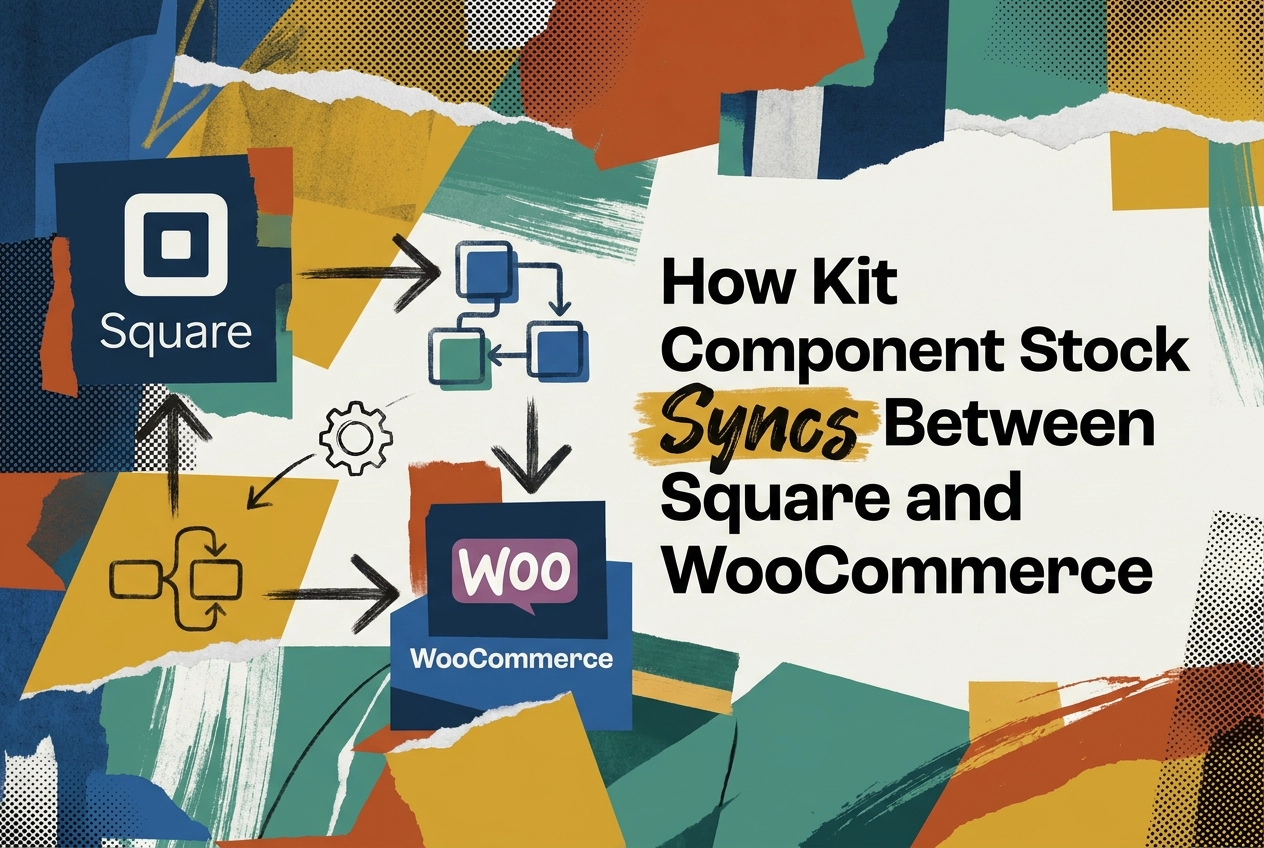
How Kit Component Stock Syncs Between Square and WooCommerce
A bundle sale is not one inventory event, it is four. Here is how to map every component across Square POS and WooCommerce so one sale decrements the right SKUs, and what to do when one hits zero.
Free Square Connector to Real-Time Sync, No Lost Orders
Switching off a free Square connector is not a data-volume problem, it is an identity and timing problem. Here is the cutover sequence that keeps order history intact and stops duplicate orders from appearing.
Align Square and WooCommerce Loyalty Expiry and Tiers
Two clocks, one loyalty program. This tutorial shows how to define expiry windows and tier thresholds once in Square, then mirror them in WooCommerce so a downgrade never splits a customer's balance.
Accurate Pickup Times Across Square and WooCommerce
Your WooCommerce checkout promises 2:00 PM pickup while Square says four hours and zero stock. Here’s how to sync per-location prep times and live inventory so every slot tells the truth.
Square Loyalty Refunds: Reverse Points Once, Not Twice
A refund is where loyalty balances break. Here is how to reverse Square loyalty points once, in the nominated ledger of record, so customers are never credited or clawed back twice.

Safety Stock Rules for Square + WooCommerce Overselling
If your Square and WooCommerce dashboards disagree, the sync is usually fine. The missing piece is a buffer rule: a safety stock number per location plus a hold window for pending online orders.